G7 Summit Opens as Iran Peace Deal Remains Elusive, Oil Holds at $89
Summary
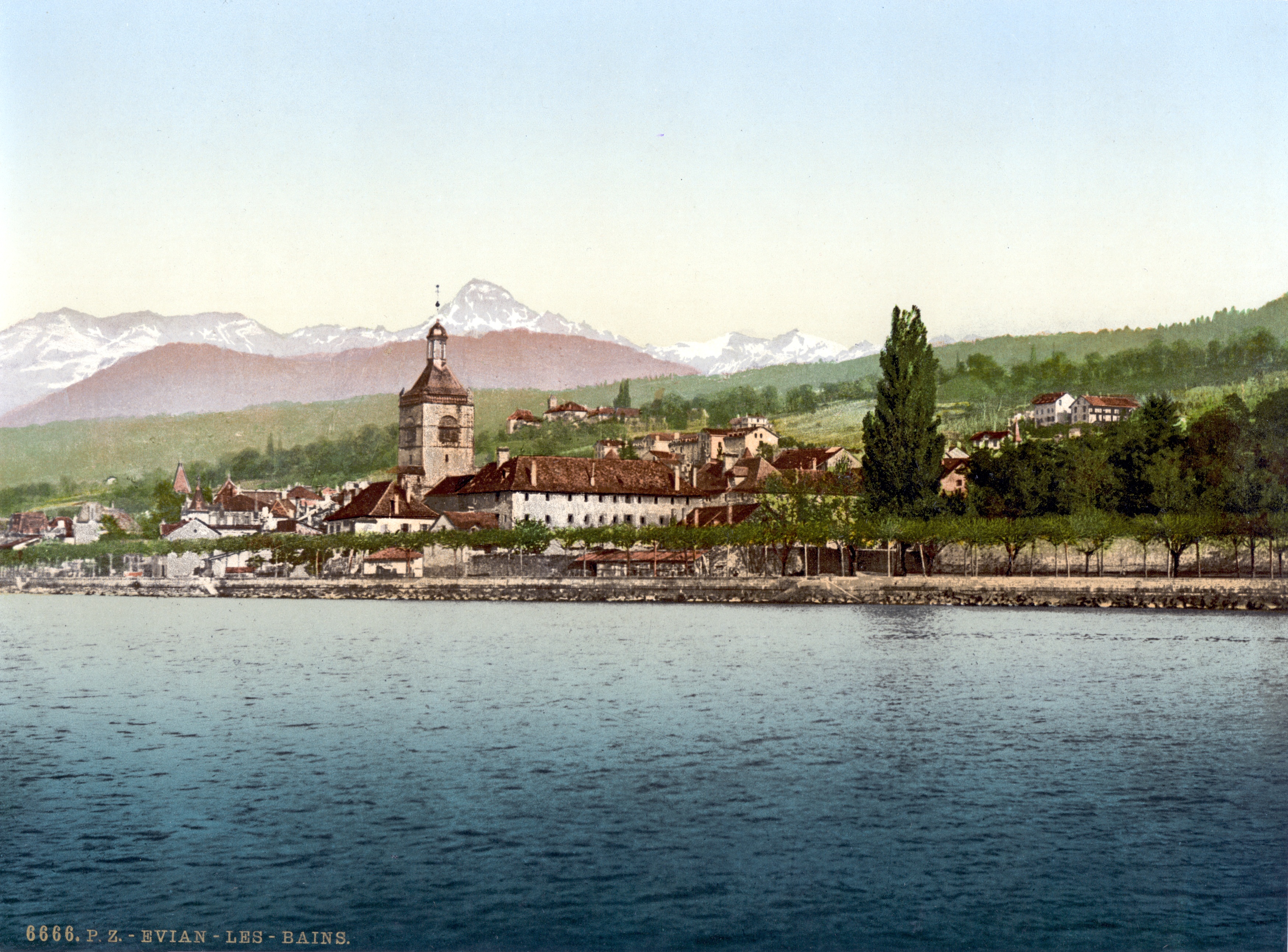
G7 leaders gathered in Évian-les-Bains, France, today for a three-day summit with the Iran war topping the agenda, but a peace deal remained out of reach despite optimistic rhetoric from both sides. Iran's foreign minister maintained the agreement has "never been closer" while warning excessive US demands threatened the breakthrough. Oil markets stabilized near $89/barrel as Strait of Hormuz flows reached 50% of pre-war levels. A growing number of congressional Republicans expressed frustration with Trump's shifting strategy, which has toggled between threats of ground invasion and claims of imminent peace.
Key Developments
G7 Summit Begins
- Three-day gathering focused on Iran: The summit in Évian-les-Bains marks the first major international gathering since the war began, with Western leaders seeking to coordinate their approach to peace talks and manage the economic fallout. ([tbd - source])
- Coordinating sanctions and diplomatic strategy: Leaders are expected to discuss whether to offer Iran limited sanctions relief as part of a ceasefire framework, a point of internal division within the administration and among allies. ([tbd - source])
Peace Talks Status
- No breakthrough despite optimistic claims: Both Trump and Iranian officials have repeatedly claimed a deal is days away, but fundamental disagreements over sanctions, nuclear restrictions, and regional security guarantees remain unresolved. ([tbd - source])
- Remote signing still under consideration: Iran has proposed signing any agreement remotely rather than in a face-to-face summit, which some analysts view as a way to avoid conceding legitimacy to direct negotiations. ([tbd - source])
- Sticking points: Nuclear program limits, timeline for sanctions relief, fate of enriched uranium stockpiles, and security guarantees for Gulf states all remain points of contention according to sources close to the talks. ([tbd - source])
Economic & Energy Developments
- Hormuz flows stabilize at 50% pre-war levels: US officials confirmed tanker traffic through the Strait of Hormuz has reached approximately half of pre-war volumes, a significant improvement from the near-total blockade earlier in the conflict. ([tbd - source])
- Oil holds near $89/barrel: Brent crude traded in a narrow range near $89, reflecting market uncertainty about whether peace talks will succeed or collapse. ([tbd - source])
- Iran: Strait will not return to pre-war status: Iranian officials reiterated that even with a peace deal, Tehran plans to maintain some level of oversight or control over shipping through Hormuz, potentially through tolls or inspection requirements. ([tbd - source])
Political Developments
- Republican frustration grows: CNN reported a growing number of congressional Republicans are frustrated with Trump's ever-changing strategy on Iran, which has oscillated between threatening a ground invasion and announcing peace breakthroughs. ([tbd - source])
- Midterm election pressure mounting: The economic impact of the war is straining key Republican constituencies including farmers facing high fertilizer costs and energy-dependent businesses, increasing pressure for a resolution before November midterms. ([tbd - source])
- US drones shot down: American forces shot down multiple Iranian attack drones over the Persian Gulf, underscoring that military tensions continue despite ceasefire talks. ([tbd - source])
What to Watch
- G7 summit outcomes — whether leaders can present a unified Western position on Iran or if internal divisions emerge publicly
- Oil price direction — markets remain in a holding pattern; a deal collapse could send Brent back toward $100+, while breakthrough could push prices below $85
- Trump-Netanyahu meeting — expected this week, will show if Israel supports or opposes emerging US-Iran framework
- Congressional pushback — whether Republican frustration translates into legislative action to constrain Trump's war powers
- Hormuz normalization timeline — even with a deal, full reopening could take months; watch for clarity on demining and infrastructure repair schedules
Sources
This report draws from CNN, Reuters, BBC, Middle East Eye, AP News, Axios, Foreign Policy, and Financial Times. All claims are attributed with inline source links above.
This is a developing story. The Wartime Report will update this page throughout the day as events unfold. Check back for the latest or subscribe to our RSS feed.