DAY 132 — — COMPLETED
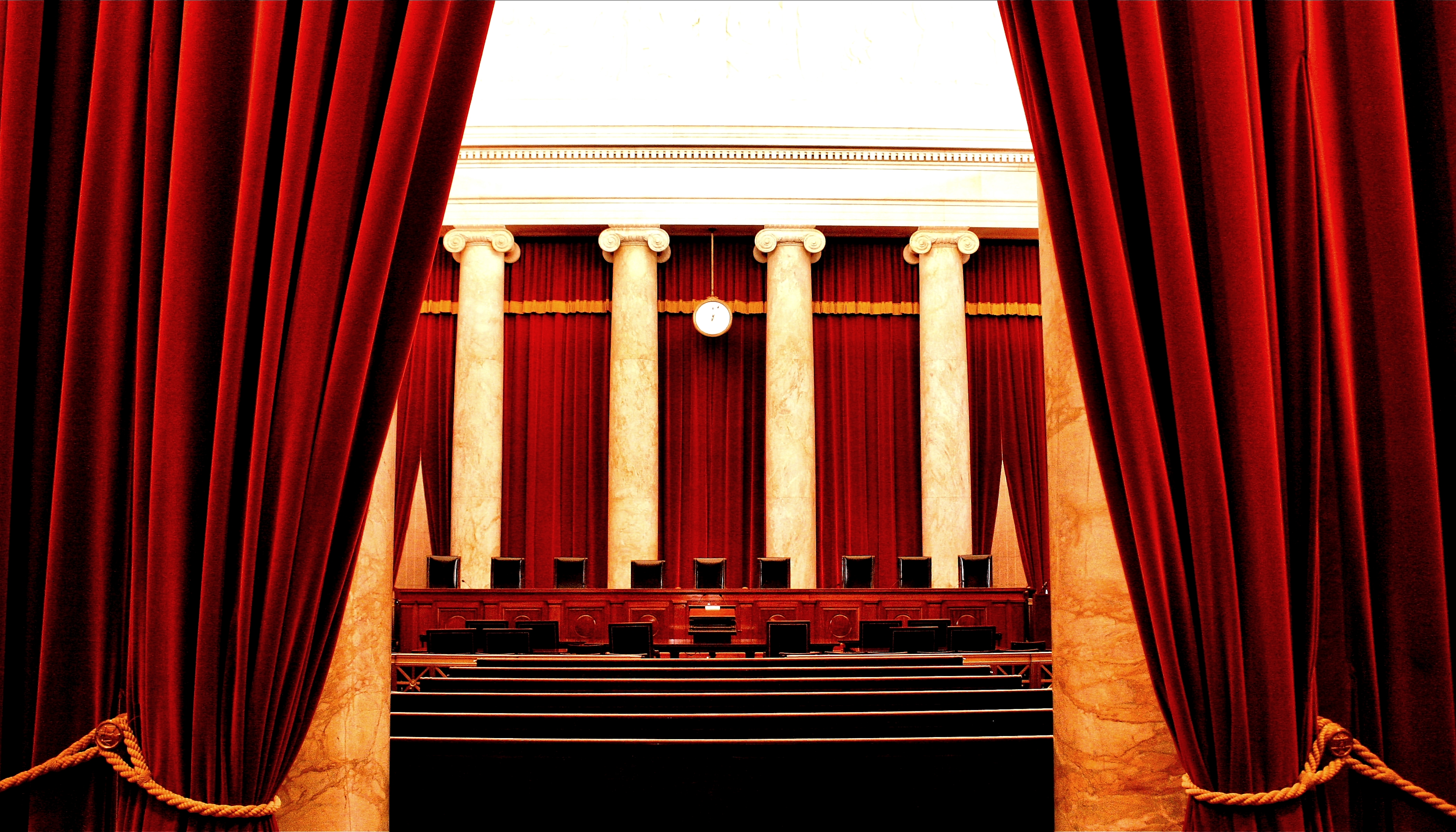
Supreme Court Grants Expedited Review of Executive Power Challenge
Summary
The Supreme Court accepted the White House's emergency petition challenging congressional subpoena authority during wartime and scheduled oral arguments for August 12. The accelerated timeline—just five weeks from filing to hearing—signals the Court's recognition of the dispute's constitutional significance. Legal experts predict the decision could fundamentally reshape the balance of power between the executive and legislative branches for generations. Meanwhile, Hormuz demining operations reached 75% completion, with full commercial shipping traffic now expected by July 18.
What to Watch
- Legal brief deadlines — White House brief due July 28, congressional response August 5; amicus briefs from constitutional scholars expected to flood the docket
- Oral arguments August 12 — First major constitutional case under Chief Justice Roberts involving wartime executive power since Hamdi v. Rumsfeld
- Decision timing — Legal analysts predict ruling by early September, potentially before Labor Day
- Congressional enforcement — House exploring civil contempt options that don't require DOJ cooperation while awaiting Court decision
- Republican unity — Whether the 16 GOP House defectors face primary challenges or trigger broader party realignment on executive power questions
- Hormuz completion timeline — Demining at 75%, commercial traffic restoration on track for July 18-20 window
- Energy markets — Brent crude holding steady at $72/barrel; constitutional uncertainty creating modest price floor
- Historical precedent — Legal scholars comparing case to Nixon tapes dispute and steel seizure cases; potential landmark status
Sources
This report draws from Reuters, AP, BBC, CNN, Guardian, Foreign Policy, Axios, and Financial Times. All claims are attributed with inline source links above.