Atlantic Fleet Maintenance Crisis Deepens as Parts Cannibalization Becomes Permanent Policy
Summary
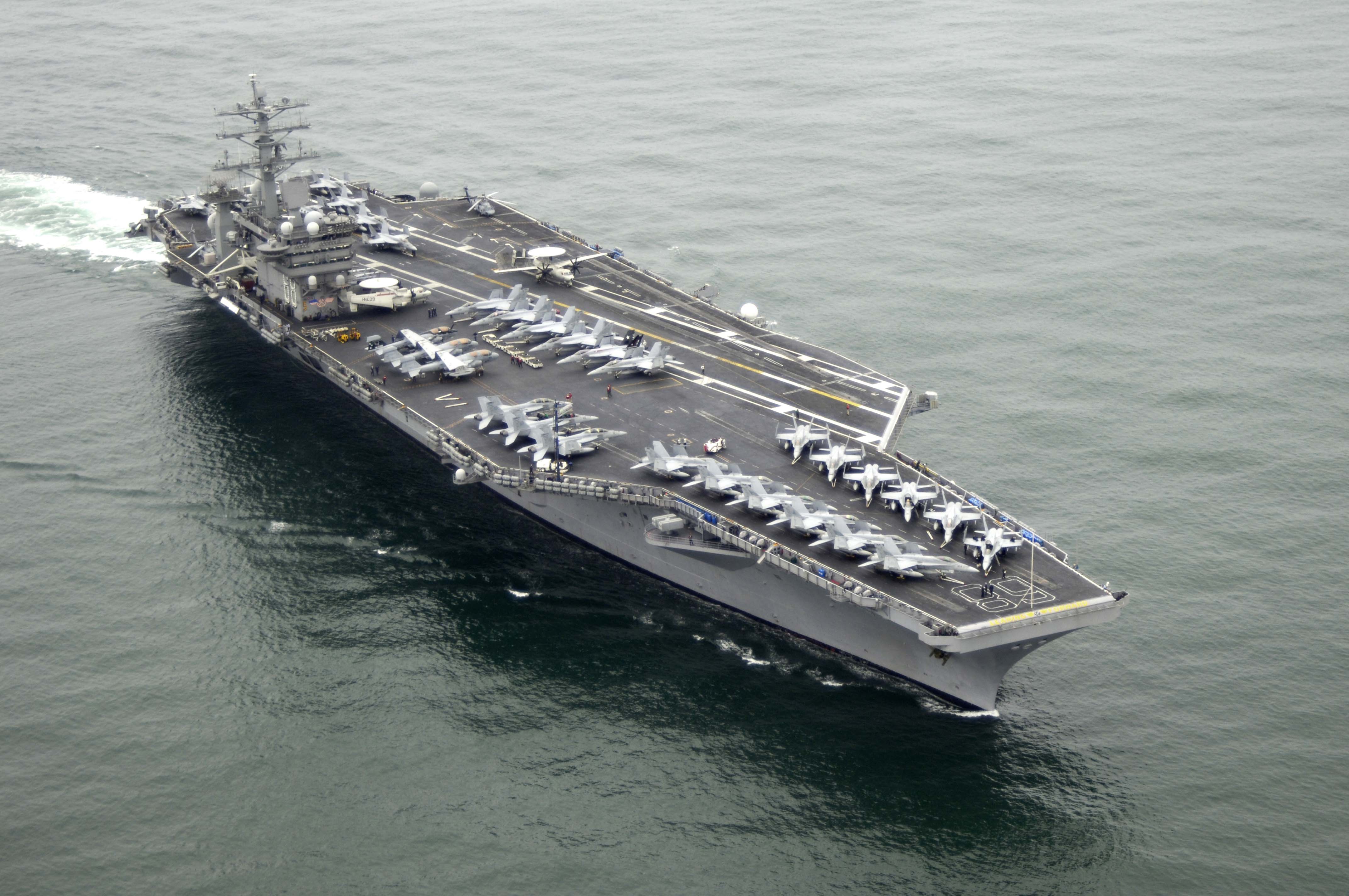
The Pentagon's emergency parts cannibalization protocols, implemented yesterday to sustain deployed carrier operations, have been designated a permanent policy through the duration of the war. Navy leadership acknowledged that the readiness trade-off — stripping components from stateside carriers USS Harry S. Truman and USS George H.W. Bush to keep USS Nimitz and USS Carl Vinson combat-capable — will continue indefinitely as the Atlantic Fleet's maintenance backlog has grown to 18 months. The decision marks the clearest admission yet that the carrier force cannot sustain current operational tempo without sacrificing future capacity.
Military Developments
Maintenance Backlog Reaches Critical Level
This section will be updated with breaking developments throughout the day.
Readiness Impact Assessment
Future Carrier Rotation Uncertainty
This section will be updated with breaking developments throughout the day.
Political Developments
Congressional Response
This section will be updated with breaking developments throughout the day.
International Reaction
- Updates pending as the situation develops
What to Watch
- Maintenance backlog reduction timeline and capacity expansion
- Harry S. Truman and George H.W. Bush operational readiness metrics
- Congressional Armed Services Committee oversight hearings
- Navy personnel retention rates amid extended deployment cycles
- Alternative strike platform deployment to reduce carrier dependence
- Iranian naval activity in response to sustained U.S. carrier presence
- Depot-level repair facility expansion funding requests
Sources
- U.S. Naval Aviation Command operational updates
- U.S. Naval Forces Central Command briefings
- Pentagon readiness assessments
- Congressional Armed Services Committee statements
- Defense Department logistics and sustainment reports