Economic Pressure Mounts as Diplomatic Talks Remain Stalled
Summary
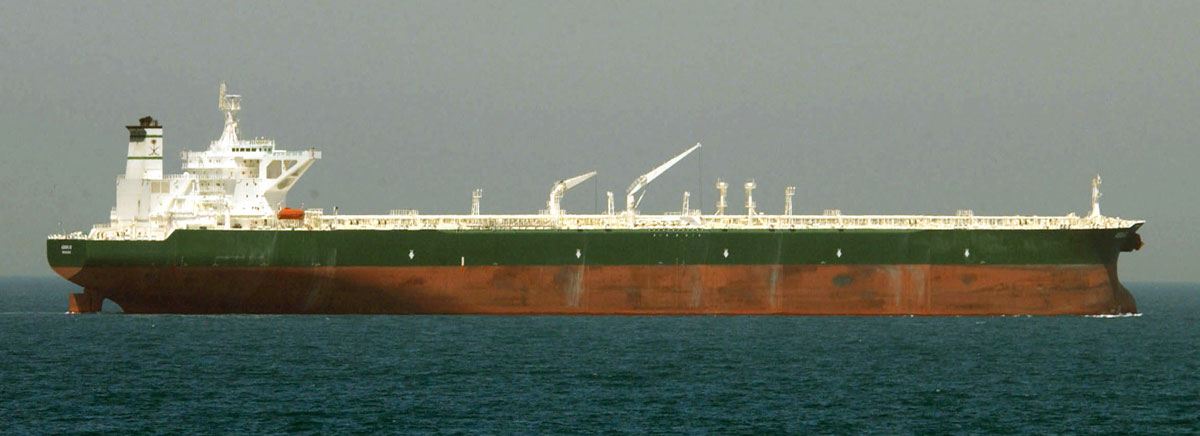
With the 100-day milestone behind it, the war entered a new phase defined by deepening economic strain and diplomatic paralysis. Oil prices climbed past $115 per barrel as markets absorbed the reality that the Strait of Hormuz crisis could extend well into summer, with over 3,000 vessels still stranded and no breakthrough in framework negotiations. Strategic petroleum reserves in the U.S. and across IEA member nations approached critical depletion levels, raising concerns about the viability of current energy-supply buffers if the standoff continues another 30-60 days.
What to Watch
- Oil price trajectory — whether $120/barrel threshold triggers additional reserve releases or demand destruction
- Framework negotiation progress — any movement on sanctions relief language or security guarantee structure
- Strategic reserve depletion rates — U.S. SPR and IEA member stocks approaching levels that could constrain future policy flexibility
- Shipping insurance market sustainability — premium increases accelerating as underwriters reassess long-duration exposure
- European industrial output data — manufacturing slowdowns reflecting compounded supply chain disruptions
- Iranian parliamentary dynamics — hardliner pressure on negotiators as talks drag on without tangible sanctions relief
- Federal Reserve policy signals — whether persistent energy inflation forces recalibration of rate-cut timeline
- Gulf state economic indicators — recession depth in economies most exposed to prolonged crisis
Sources
This report will be updated throughout the day as events develop. Key sources include Reuters, AP, Al Jazeera, BBC, Bloomberg, and official Pentagon briefings.
This is a developing story. The Wartime Report will update this page throughout the day as events unfold. Check back for the latest or subscribe to our RSS feed.