Strategic Reserve Depletion Raises Stakes as Oil Climbs Past $115
Summary
U.S. strategic petroleum reserves dropped to levels not seen since the 1980s as the Hormuz crisis entered its 15th week with no diplomatic breakthrough in sight. With oil prices climbing past $115 per barrel and over 3,000 vessels still stranded near the strait, the depletion of strategic buffers raised new questions about the sustainability of current policy approaches. Energy officials warned that continued drawdowns at current rates could exhaust remaining flexibility within 30-45 days, potentially forcing either a fundamental shift in strategy or acceptance of even higher market prices.
What to Watch
- Reserve depletion trajectory — whether U.S. SPR and IEA stocks hit levels that constrain future release options
- Oil price momentum — $120/barrel threshold could trigger demand destruction or force policy recalibrations
- Framework negotiation pace — whether mediators make progress on sanctions relief sequencing or security guarantee language
- Shipping market sustainability — insurance premiums accelerating as underwriters reassess prolonged exposure risk
- Summer demand pressures — seasonal consumption peak approaching as buffer capacity diminishes
- Federal Reserve policy signals — whether persistent energy inflation forces adjustments to rate-cut timeline
- Iranian parliamentary response — hardliner reactions to continued diplomatic engagement despite stalled talks
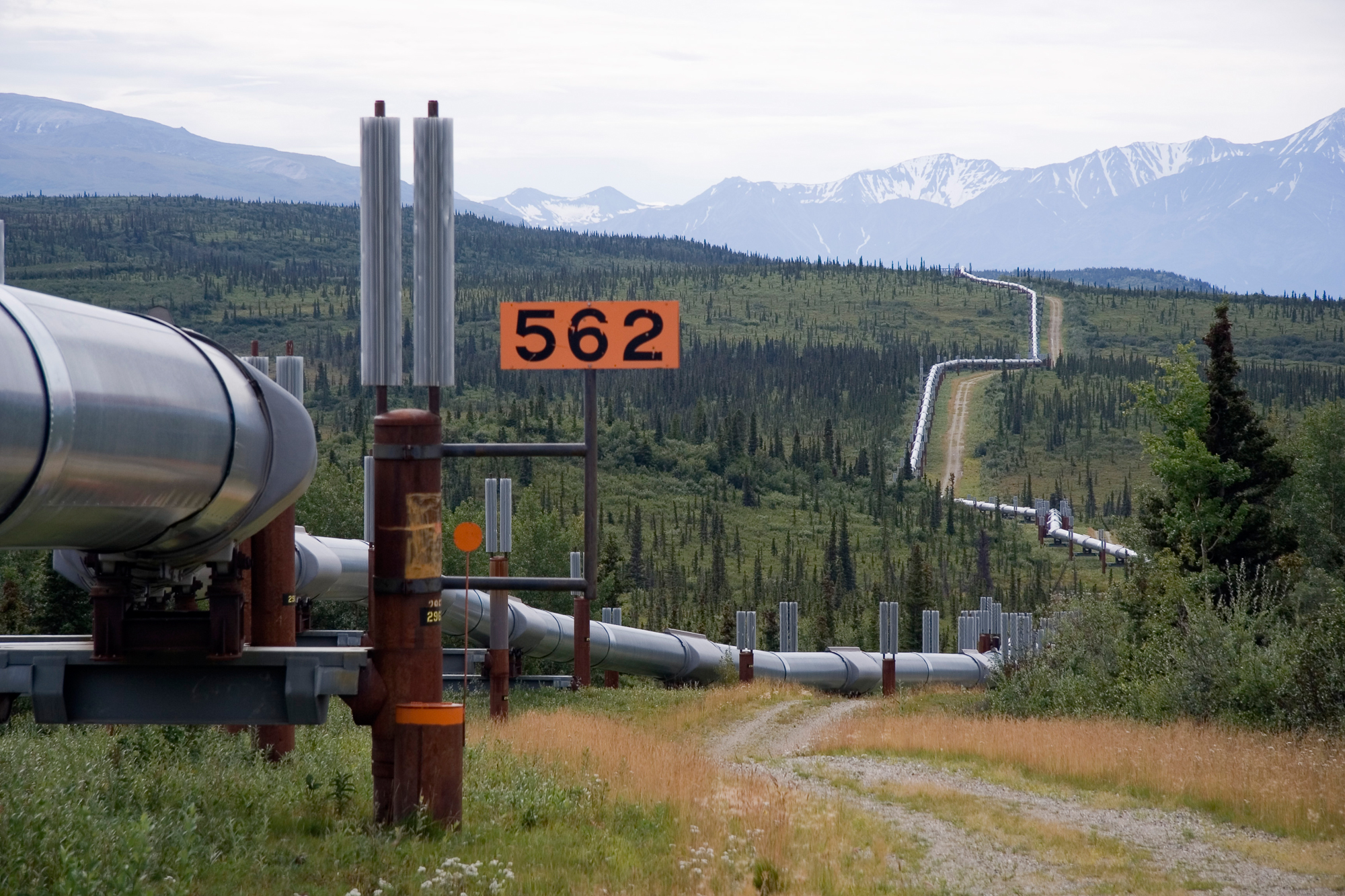
- Alternative supply routes — pipeline capacity utilization and long-haul shipping economics as Hormuz remains blocked
Sources
This report will be updated throughout the day as events develop. Key sources include Reuters, AP, Al Jazeera, BBC, Bloomberg, and official Pentagon briefings.
This is a developing story. The Wartime Report will update this page throughout the day as events unfold. Check back for the latest or subscribe to our RSS feed.